Filipino Mahjong shares its tile family with other Mahjong traditions, but the way those tiles are called, exposed, and scored follows the Filipino table. Start by learning what you are looking at; the hand shapes become much easier afterward.
The numbered suits
Three suits, numbered one through nine.
All hand combinations are made from Sticks, Characters, or Balls. A run must stay within one suit, while a set of matching tiles uses the same number and suit.
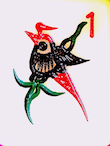
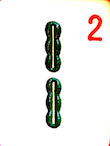
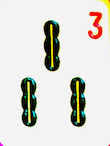
Sticks
Numbered stalk tiles, sometimes called bamboo.
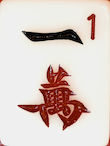
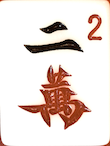
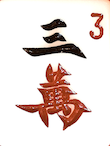
Characters
Numbered character or “wan” tiles.

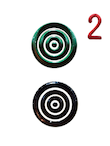

Balls
Numbered circles, sometimes called dots.
The Flores family
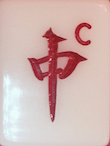
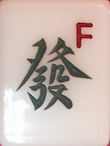
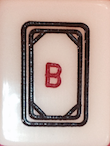
Winds and dragons leave the hand too.
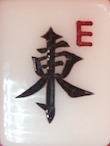
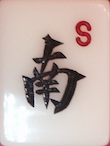
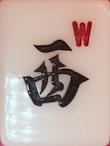
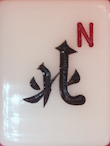
In the app’s official rules, winds and dragons are Flores. They are collected face-up and replaced; they never form a pair, Chow, Pong, or Kang.
Flowers and seasons
Flowers and seasons are revealed and replaced.
They follow the same automatic Flores procedure. Flowers and seasons do not add points to the final hand score in the official app rules.
The app exposes the Flores tile where the table can see it.
The app draws from the wall end automatically.
Continue with a complete playable hand.